Bốn Giọng Nói Mới, Một Sứ Mệnh Chung
Tháng 7 17, 2026
Những Nhân viên Y tế Cộng đồng mới nhất của Central Health đã biến chính câu chuyện cuộc đời mình thành cầu nối cho những người khác
Họ đến với ngành chăm sóc sức khỏe từ những con đường khác nhau trong cuộc sống: từ quân đội, ngành thể dục thể thao, giáo dục trung học và từ những trách nhiệm đa dạng của cuộc sống.
Sau đó, sau khi hoàn thành chương trình đào tạo cấp tốc Central Health, một nhóm gồm bốn cư dân Hạt Travis đã trở thành Nhân viên Y tế Cộng đồng (CHW). Vào tháng 7, Matthew Rodriguez, Alexia Campbell, Nohea Tumale và Melanie Neri đã trở thành khóa tốt nghiệp thứ hai của chương trình thực tập toàn thời gian kéo dài 13 tuần do Central Health tổ chức.
“Biết rằng có những cá nhân có thể kết nối mọi người với các nguồn lực mà họ không có,” Tumale, một cựu quản lý trong ngành thể hình, nói, “điều đó thôi thúc tôi. Tôi rất vui khi được là một phần của điều này.”
Hiểu Vai Trò
Trong chăm sóc sức khỏe, CHW (Nhân viên y tế cộng đồng) củng cố mối liên hệ của bệnh nhân với những gì họ cần để có sức khỏe tốt và cung cấp quyền truy cập vào các nguồn lực mà họ có thể không tìm kiếm hoặc thậm chí không biết đến. Họ hoạt động như những người liên lạc giữa cộng đồng và hệ thống chăm sóc sức khỏe. Và họ không thể thiếu trong việc tạo ra các kết quả sức khỏe tích cực.
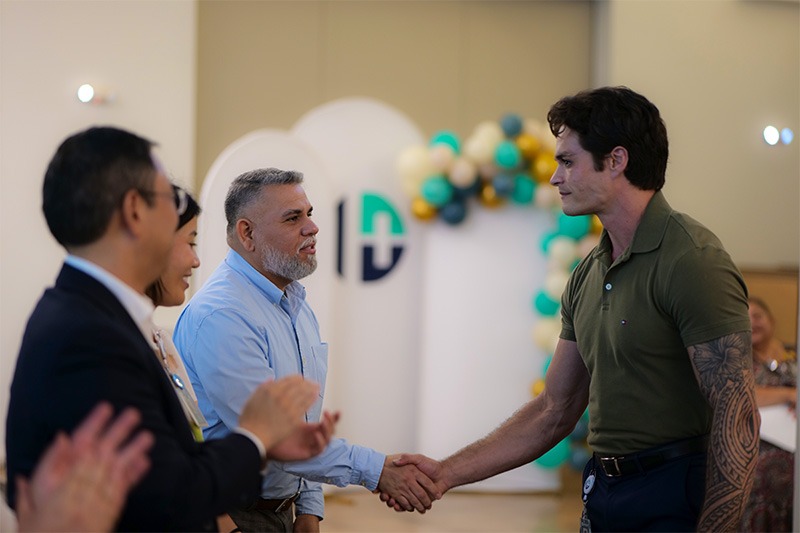
Vai trò này rất quan trọng, bởi vì Nhân viên y tế cộng đồng (CHW) thường tham gia vào hành trình của bệnh nhân tại những thời điểm quan trọng nhất của họ—khi cần điều phối chăm sóc; khi cần thảo luận các lựa chọn chăm sóc sức khỏe dự phòng; và khi cần quản lý các giai đoạn chuyển tiếp trong chuỗi chăm sóc sức khỏe.
Tầm nhìn dài hạn của Central Health đối với Chương trình Đào tạo Nhân viên Y tế Cộng đồng là mang lại nhiều hỗ trợ hơn cho hệ thống y tế và cung cấp dịch vụ chăm sóc cho những người có khả năng tiếp cận hạn chế hoặc không thể tiếp cận được các dịch vụ này.
Khi tình trạng thiếu hụt nhân lực trong ngành y tế ngày càng gia tăng, các chương trình như thế này đã giúp lấp đầy những khoảng trống và phát triển lại nguồn nhân lực.
“Central Health đã nhận thức được tầm quan trọng của các nhân viên y tế cộng đồng (CHW) và đã quyết định đầu tư vào lĩnh vực này,” Tiến sĩ Carol Wang, Giám đốc Giáo dục và Nghiên cứu của Central Health, cho biết.
Chương trình thực tập kéo dài 13 tuần của Central Health kết thúc với việc các học viên nhận được chứng chỉ CHW.
Bài học cuộc sống
Nhiều năm trước, khi còn làm chuyên gia y tế dự phòng trong Lục quân, Matthew Rodriguez đang cung cấp viện trợ nhân đạo cho người dân một ngôi làng nhỏ ở Honduras thì một cơn bão lớn ập đến.
Đội của anh ấy đã buộc phải ở lại đêm đó.
“Thị trưởng thị trấn đã tập hợp tất cả người dân lại, và họ đã tặng chúng tôi những tấm nệm cuộn,” anh nói. “Họ quan tâm đến việc chúng tôi có chỗ để nằm và thức ăn để ăn.”
Rodriguez (người vẫn còn trong lực lượng dự bị của Quân đội) không bao giờ quên trải nghiệm đó. Ngày nay, ông nói, nó soi sáng ý nghĩa của việc chăm sóc sức khỏe đối với những người không có khả năng tiếp cận thường xuyên.
“Có thể đi ra ngoài và cung cấp những nguồn lực này là một trong những điều quan trọng nhất,” Rodriguez nói.
Melanie Neri đến với chương trình CHW với tư cách là giáo viên thay thế với khát vọng giúp đỡ mọi người rộng rãi hơn. Ở nhà, cô ấy có trách nhiệm đóng góp cho nhu cầu của gia đình và khi thời gian và tài chính cho phép, cô ấy đã tham gia các lớp học tại Austin Community College.
Trong khi đó, Alexia Campbell gần đây đã chuyển đến Austin từ Baltimore. Với kinh nghiệm làm việc ở các vị trí ban đầu trong lĩnh vực chăm sóc sức khỏe, cô ấy đã thề sẽ thăng tiến trong sự nghiệp và tạo ra ảnh hưởng lớn hơn.
“Tôi thích làm những công việc có ý nghĩa,” cô ấy nói, “và nơi tôi cảm thấy mình đang tạo ra sự khác biệt.”
Nohea Tumale chắc chắn cũng hiểu cảm giác đó. Trong một vai trò trước đây khi quản lý một chuỗi phòng gym ở bờ Tây, anh thường tìm thấy niềm vui trong công việc cộng đồng.
“Tôi thực sự muốn hướng tới mục tiêu giúp đỡ cộng đồng theo một hướng y tế hơn,” anh ấy nói. “Vị trí CHW hoàn toàn phù hợp với giá trị của tôi.”
Một sự nghiệp viên mãn
Hệ thống Central Health hiện đang tuyển dụng tổng cộng khoảng 55 nhân viên y tế cộng đồng (CHW), theo chia sẻ của Ryann Neubauer, quản lý chương trình Nhân viên Y tế Cộng đồng của Central Health. Đến năm 2026, đã có chín học viên tốt nghiệp hoàn thành hai khóa đào tạo của chương trình CHW, và khóa thứ ba dự kiến sẽ diễn ra vào tháng 8. Hầu hết các học viên tốt nghiệp chương trình này sau đó đã được tuyển dụng vào các vị trí trong hệ thống Central Health. Nhờ thành công và sự phổ biến của chương trình, vào năm 2027, Central Health dự kiến sẽ mở rộng quy mô mỗi khóa học lên bảy học viên và cũng sẽ hợp tác với Goodwill Central Texas và Foundation Communities.
Trên toàn bang Texas, các cộng đồng đang chứng kiến sự gia tăng số lượng nhân viên y tế cộng đồng (CHW). Theo Sở Y tế và Dịch vụ Nhân sinh Texas, từ năm 2023 đến năm 2024, số lượng nhân viên y tế cộng đồng (CHW) đã tăng thêm 33%.
“Chúng tôi biết rằng chúng tôi muốn mở rộng và điều chỉnh sứ mệnh của mình và biến nó thành một năm tiếp cận mọi người,” Neubauer nói, “và chúng tôi biết cách tốt nhất để làm điều đó là thông qua Nhân viên Y tế Cộng đồng, những người có kinh nghiệm sống thực tế.”
Trong suốt khóa học kéo dài 13 tuần, chương trình đào tạo cấp tốc của Central Health đã cung cấp cho các học viên một lượng kiến thức phong phú, bao gồm 320 giờ học lý thuyết cùng với 200 giờ học qua quan sát tại các cơ sở lâm sàng và các tổ chức đối tác.
Học sinh tìm hiểu về sức khỏe cộng đồng và phòng ngừa dịch bệnh. Các em cũng tìm hiểu về sự chênh lệch trong sức khỏe tâm thần, sử dụng chất gây nghiện và sức khỏe môi trường. Các từ viết tắt như “SDOH”, còn được gọi là các yếu tố quyết định sức khỏe xã hội, được ghi nhớ và nhằm cung cấp hiểu biết về những thách thức phi y tế mà mọi người phải đối mặt trong môi trường ảnh hưởng đến sức khỏe lâu dài của một người.
Giới Thiệu Huấn Luyện
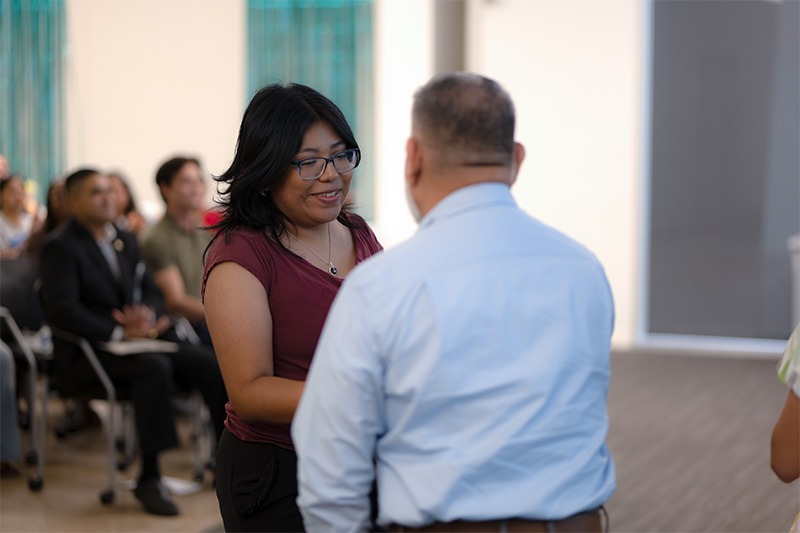
Thực tập tại phòng khám vẫn là một trong những công cụ đào tạo quan trọng nhất. Học viên nhận được sự hướng dẫn từ các CHW dày dặn kinh nghiệm, những người cùng họ thực hành trong môi trường thực tế: nói chuyện với bệnh nhân, ghi chú trong MyChart của Epic, và tương tác với y tá, bác sĩ trong hệ thống bệnh viện.
Trong tuần cuối cùng trước lễ tốt nghiệp, Rodriguez đã đón nhận một trong những bài học này. Tại Trung tâm Y tế Dell Seton thuộc Đại học Texas, anh đã đối mặt với một tình huống mới với một bệnh nhân – một tình huống đòi hỏi anh phải ứng biến nhanh chóng.
Cicely Gaines, một nhân viên y tế cộng đồng thuộc chương trình Central Health với gần một thập kỷ kinh nghiệm, đứng bên phải anh. Khi tình huống đòi hỏi, cô đã mang lại sự bình tĩnh một cách tự nhiên.
“Cô ấy biết chính xác phải nói gì,” Rodriguez nói. “Ước gì tôi có thể làm được như vậy.”
“Và bạn sẽ làm được,” Gaines nói thêm.
“Bạn xem bạn có thể giúp họ những gì. Rồi bạn xem bạn có thể làm gì cho họ.”
Đáp lại tiếng gọi
Các nhân viên y tế cộng đồng (CHW) đôi khi được mô tả chính xác nhất là những người “giỏi mọi việc”. Họ có thể được huy động tại các cơ sở y tế để hỗ trợ bệnh nhân tiếp cận các dịch vụ. Đôi khi, nhiệm vụ của họ có thể đưa họ đến các sự kiện đăng ký để hỗ trợ việc hoàn tất thủ tục giấy tờ. Họ có thể giúp một người đăng ký tham gia chương trình MAP (Chương trình Tiếp cận Dịch vụ Y tế của Central Health) hoặc MAP Basic, hai lựa chọn bảo hiểm dành cho cư dân có thu nhập thấp tại Hạt Travis.
Các CHW có thể làm việc trong môi trường hành chính và giúp theo dõi các chương trình và nguồn lực trên hệ thống kỹ thuật số. Hoặc họ có thể phải gọi điện thoại cho bệnh nhân.
Nhìn chung, nhiệm vụ vẫn không thay đổi: kết nối mọi người với các dịch vụ chăm sóc sức khỏe, bất kể họ cần ở đâu và khi nào. Trong hệ thống Central Health cũng như trong toàn bộ lĩnh vực chăm sóc sức khỏe, vai trò này có ý nghĩa vô cùng quan trọng.
“Có rất nhiều nguồn lực mà không ai biết hoặc nói đến,” Rodriguez nói. “Tôi chưa bao giờ nhận ra có bao nhiêu sự giúp đỡ ở ngoài kia. Vì vậy, việc có thể đi ra ngoài và cung cấp những nguồn lực này là một trong những điều lớn lao nhất.”
Kết nối mọi người với sự chăm sóc cũng là lý do phần lớn họ làm điều đó.
“Khi lớn lên, gia đình tôi đã sử dụng rất nhiều nguồn lực mà những người làm công tác y tế cộng đồng cung cấp cho chúng tôi,” Neri nói. “Vì vậy, giờ đây cảm giác như một sự trọn vẹn.”